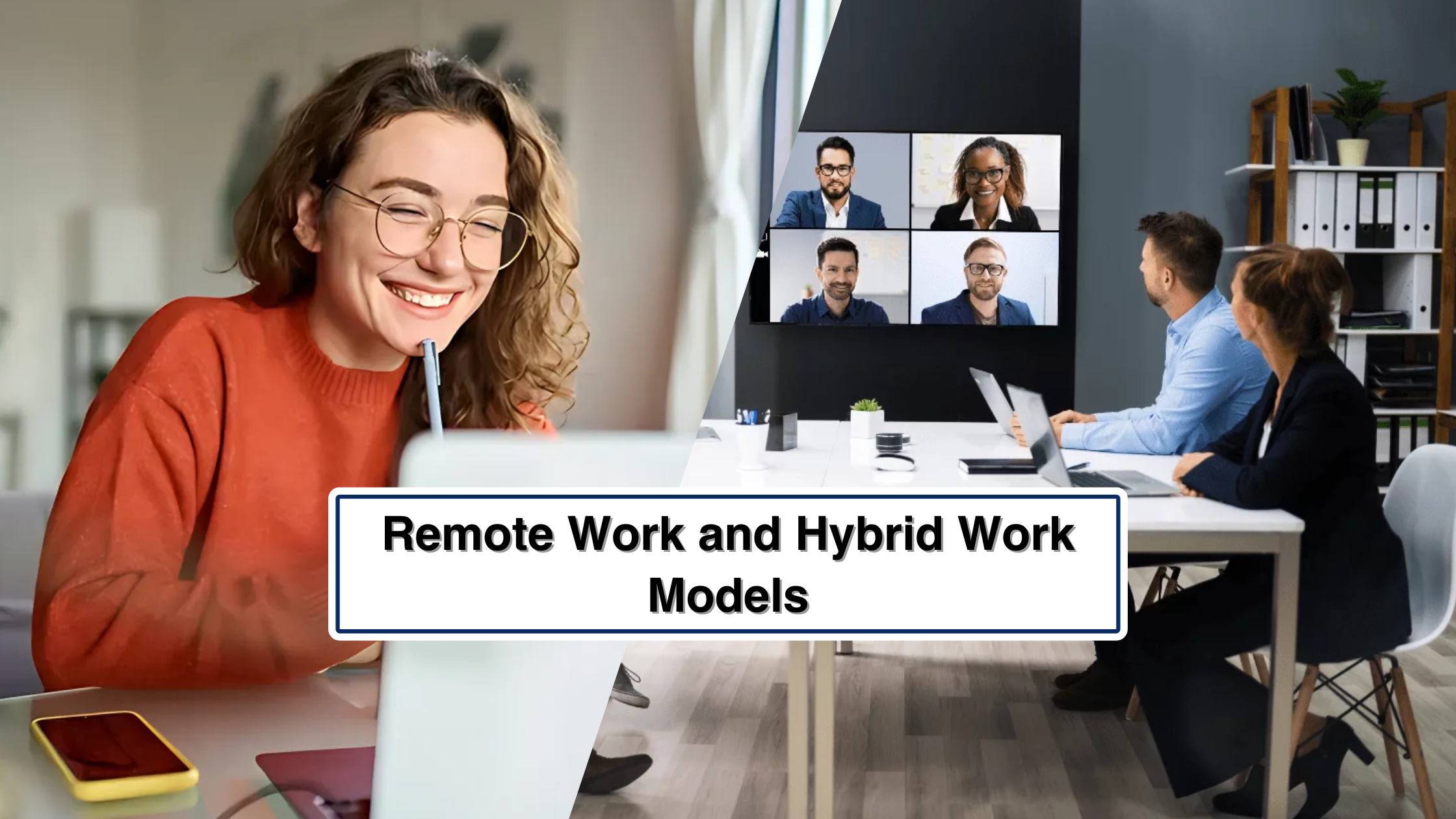
The way businesses operate has changed drastically in the past few years. Remote and hybrid work models, once a temporary solution, have now become a standard practice for many organizations. But what does this shift mean for executive roles? How are leaders adapting to a world where in-person meetings are rare and team collaboration happens online?
If you’re an executive or aiming for a leadership position, understanding these changes is crucial. Let’s explore how remote and hybrid work models are reshaping executive responsibilities and expectations.
1. Communication Needs to Be More Intentional
One of the biggest challenges of remote and hybrid work is keeping everyone on the same page. Executives once kept teams aligned through casual office chats and in-person meetings. Remote work removes those interactions and creates communication gaps that cause confusion, slow progress, and weaken team morale.
To strengthen communication, executives must:
- Set clear expectations for response times and work updates. Employees need to know when and how to communicate progress or challenges.
- Use multiple channels for engagement. Video calls, instant messaging, and email updates help keep teams informed and connected.
- Hold structured check-ins and town halls. Regular virtual meetings provide alignment, reinforce company goals, and encourage open discussions.
Strong communication builds trust and keeps teams motivated. Leaders who engage with their employees frequently create a more cohesive and productive workforce.
2. Leadership Now Focuses on Trust and Performance, Not Micromanagement
Executives can no longer measure productivity based on desk time. Remote and hybrid models require leaders to shift their focus from supervision to accountability. To make this transition effective, leaders should set clear expectations and employees should take responsibility for their tasks.
To foster a results-driven culture, executives must:
- Define clear objectives and key performance indicators (KPIs). Employees perform better when they understand what success looks like.
- Give teams ownership of their work. When employees feel trusted, they take greater responsibility for their tasks.
- Encourage regular feedback and self-assessment. Performance discussions should focus on improvements rather than daily oversight.
- When leaders trust their teams and prioritize results over rigid supervision, employees feel empowered to work efficiently and creatively.
3. Hiring and Retaining Top Talent Requires Flexibility
Remote work gives employees more job choices. Companies that fail to offer flexibility lose skilled professionals. Leaders must adjust their hiring and retention strategies to stay competitive.
To attract and keep top talent, executives must:
- Offer remote and hybrid options that fit employee needs. Flexibility improves job satisfaction and reduces turnover.
- Invest in professional growth and mentorship. Employees stay longer when they see career development opportunities.
- Create a strong company culture beyond office walls. Virtual events, recognition programs, and clear values help employees stay engaged.
Executives who offer flexibility and career growth build loyal teams.
4. Decision-Making Must Be Faster and Data-Driven
Executives can no longer rely on spontaneous office meetings to make key decisions. Hybrid and remote work environments require leaders to use data and digital tools to stay informed and responsive.
To make faster, smarter decisions, executives must:
- Leverage data analytics and AI tools. Real-time performance metrics help leaders assess team productivity and business trends.
- Use digital collaboration tools to streamline workflows. Platforms like Slack, Trello, and Asana help teams stay organized and aligned.
- Encourage proactive problem-solving. Employees should feel confident making decisions within their scope without waiting for managerial approval.
Strong leaders adapt to digital decision-making and empower their teams to act efficiently in fast-paced work environments.
5. Measuring Performance and Productivity in a Remote Setting
In a traditional office, executives could assess productivity based on attendance and physical presence. Remote work has eliminated those indicators, forcing leaders to redefine performance metrics.
To effectively manage performance, executives must:
- Set measurable goals and deadlines. Clear expectations prevent confusion and keep teams focused.
- Use performance tracking software for real-time insights. Digital dashboards provide visibility into employee progress without the need for constant check-ins.
- Recognize and reward achievements regularly. Employee appreciation boosts morale and reinforces a high-performance culture.
The shift toward results-oriented leadership is helping businesses become more efficient while giving employees the flexibility they need.
Final Thoughts!
The rise of remote and hybrid work has transformed what it means to be an executive. Leadership is no longer just about overseeing employees in an office; it’s about fostering engagement, driving results, and adapting to digital-first workplaces.
Executives who embrace these changes will thrive, while those who resist may struggle to keep up. Are you ready to lead in the evolving workplace?