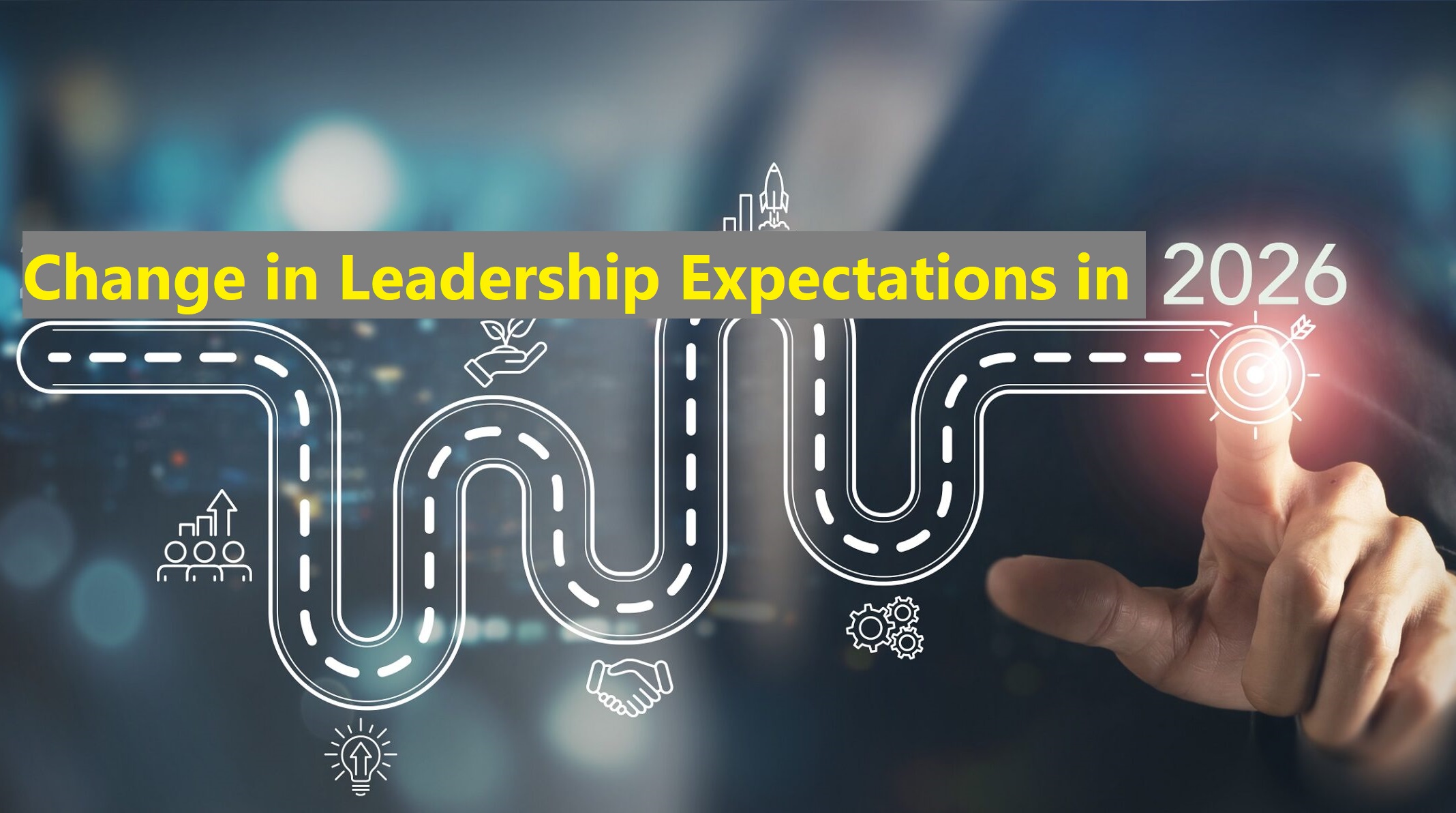
Business leaders today are facing pressures that did not exist a few years ago. Companies are navigating rapid technological change, rising employee expectations, global competition, and constant market disruption. Many organizations are realizing that traditional leadership approaches no longer support these challenges. A leader who focuses only on operations or authority can struggle to guide teams through uncertainty. This is why businesses are redefining what strong leadership truly means. Leadership expectations in 2026 are evolving quickly, and companies now look for executives who can guide change, understand technology, support people, and make responsible decisions that keep organizations moving forward.
Why Leadership Expectations Are Changing in 2026
The way businesses operate today is very different from how they worked even five or ten years ago. Around the world, companies are dealing with rapid technological growth, economic uncertainty, global conflicts, and constant changes in customer behavior. Artificial intelligence is entering many industries, remote and hybrid work models have changed workplace culture, and supply chain disruptions continue to affect global trade. These real-time changes are forcing organizations to rethink what kind of leadership they truly need.
At the same time, employees and customers expect more responsible leadership from companies. People want transparency, fair decision-making, and leaders who communicate clearly during difficult situations. Businesses can no longer rely on leaders who only manage operations. Because of these developments, companies are redefining leadership expectations in 2026 and focusing on leaders who can adapt, think strategically, and respond wisely to an unpredictable world.
Leaders Are Expected to Guide Change Instead of Managing Stability
Many organizations once believed that leadership meant maintaining systems that already worked. That idea no longer supports modern business growth.
In 2026, leaders must guide transformation. They must help teams understand change, accept new ideas, and adopt new technologies.
Companies now look for executives who can answer difficult questions such as:
- How should the organization adapt to technological disruption?
- What strategies will protect the company from sudden market changes?
- How can teams stay productive during constant transformation?
Executives who avoid change can slow down the organization’s growth graph. Leaders who guide transformation help businesses stay competitive.
Strong leaders explain why change is necessary. They build trust during uncertainty and help employees understand the direction of the company.
Technology Awareness Is Now a Leadership Requirement
Many leaders once relied on technical teams to manage digital systems. That separation no longer works in modern organizations.
Technology now shapes business strategy. Artificial intelligence, automation, data analytics, and digital platforms influence how companies operate and compete.
Leaders do not need to become engineers. However, they must understand how technology affects decision-making.
Executives must ask important questions before adopting new technologies.
- Does this technology improve efficiency?
- Does it protect customer data and privacy?
- Does it support long-term business goals?
Leaders who understand technology can guide their organizations more responsibly. This awareness has become one of the most important future leadership skills.
Transparency and Ethical Leadership Are Under Greater Scrutiny
Public trust has become an important factor in business success. Customers, employees, and investors now expect organizations to act responsibly.
Leaders must demonstrate ethical judgment in every decision. They must also communicate openly about challenges and risks.
Transparency strengthens organizational trust. Employees feel more confident when leaders share information clearly.
Ethical leadership includes:
- Honest communication
- Responsible use of technology and data
- Fair treatment of employees
- Accountability for decisions
Organizations now place strong emphasis on integrity when selecting senior executives.
Learning Agility Is Becoming Essential for Leaders
Knowledge that worked five years ago may not apply today. Leaders must continuously update their understanding of business trends, technology, and workforce expectations.
Learning agility has become one of the most valuable future leadership skills.
Leaders must:
- Stay informed about industry changes
- Study emerging technologies
- Learn from both success and failure
- Encourage continuous learning inside teams
Organizations value leaders who remain curious and open to new knowledge. Learning agility helps executives adapt to uncertainty and guide innovation.
What Companies Are Really Looking for in Leaders in 2026
Organizations no longer search for leaders who simply maintain authority. They seek leaders who combine strategy, technology awareness, emotional intelligence, and ethical judgment.
Companies now value executives who can:
- Guide organizations through uncertainty
- Understand the impact of emerging technology
- Build trust across teams and stakeholders
- Communicate clearly during change
- Encourage innovation and collaboration
- These qualities define the new leadership expectations in 2026.
Final Thoughts!
Leadership is entering a new phase. Businesses today require leaders who can guide transformation rather than simply manage operations. Technology continues to reshape industries, employees expect meaningful leadership, and global markets demand faster decision-making.
Executives who understand these changes early will strengthen their leadership impact. They will build organizations that remain adaptable, innovative, and trusted. Understanding these executive leadership trends and developing the leadership skills companies need in 2026 will help leaders guide their organizations toward long-term success.